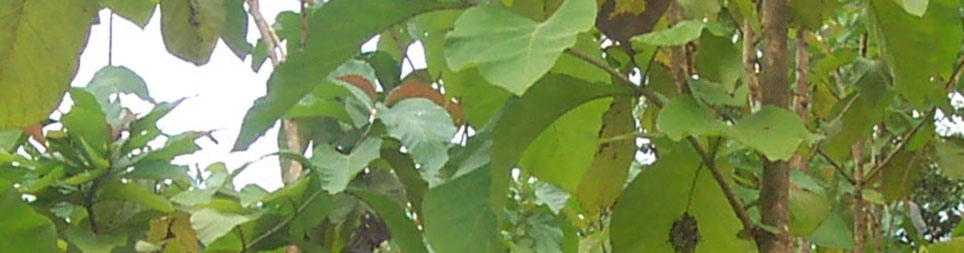
Teak is known to perform well in plantations under favorable conditions. In this characteristic it contrasts with some of the more commercially known and valuable tropical hardwood species. For example, many of the species that make up the timber wealth of the African tropical forests (e.g. species of the Meliaceae family, the African mahoganies Khaya ivorensis, K. anthoteca and K. grandi-folia, and Entandophragma spp.) have proved unamenable to growing in plantations for reasons such as exceedingly slow growth, susceptibility to mortality in establishment on cleared land (being climax rather than pioneer species) or vulnerability to pests and diseases. Mahogany (Swietenia macro-phylla) is one of the few other luxury hardwoods that is extensively grown in plantations. It seems likely that there will be a significant divergence in future timber supply potential between those species amenable to plantation and those largely dependent on an established natural forest habitat.
Mixed plantations of teak with other tree species are generally less susceptible than pure teak plantations to soil erosion and pest and disease risks. Pure teak plantations are susceptible to defoliating pests, particularly when understorey growth is suppressed and site conditions are suboptimal. Teak begins flowering and seeding at a young age, about 20 years from seedling and about ten years from coppice.
Teak is relative to other species is easily established in plantations and because of the enduring global demand for products from teak it has good prospects as a plantation species. These prospects are boosted by the rapidly developing trend of replacing lumber with reconstituted panels (Loke, 1996). Sliced veneer of teak as a lay-on for reconstituted panels is assured of a demand for its value in enhancing the potential for panels to substitute for lumber in a widening variety of applications.